

Hnycareershub
Yorum Ekle Takip EtGenel Bakış
-
Kuruluş Tarihi 15 Ekim 1901
-
Sektör Eczacılık
-
Yayınlanan İlan 0
-
Görüntülenme 1405
Firma Hakkında
NHS: A Universal Embrace
In the sterile corridors of Birmingham Women’s and Children’s NHS Foundation Trust, a young man named James Stokes navigates his daily responsibilities with subtle confidence. His polished footwear move with deliberate precision as he exchanges pleasantries with colleagues—some by name, others with the comfortable currency of a “how are you.”
James wears his NHS lanyard not merely as institutional identification but as a symbol of acceptance. It hangs against a neatly presented outfit that gives no indication of the challenging road that preceded his arrival.
What sets apart James from many of his colleagues is not immediately apparent. His bearing reveals nothing of the fact that he was among the first participants of the NHS Universal Family Programme—an undertaking crafted intentionally for young people who have been through the care system.
“It felt like the NHS was putting its arm around me,” James explains, his voice measured but carrying undertones of feeling. His statement encapsulates the core of a programme that seeks to revolutionize how the vast healthcare system perceives care leavers—those often overlooked young people aged 16-25 who have transitioned from the care system.
The numbers paint a stark picture. Care leavers commonly experience poorer mental health outcomes, economic uncertainty, shelter insecurities, and lower academic success compared to their contemporaries. Underlying these clinical numbers are individual journeys of young people who have maneuvered through a system that, despite genuine attempts, often falls short in delivering the stable base that forms most young lives.
The NHS Universal Family Programme, launched in January 2023 following NHS England’s promise to the Care Leaver Covenant, signifies a significant change in systemic approach. Fundamentally, it recognizes that the entire state and civil society should function as a “universal family” for those who haven’t experienced the stability of a typical domestic environment.
Ten pathfinder integrated care boards across England have charted the course, creating frameworks that reconceptualize how the NHS—one of Europe’s largest employers—can open its doors to care leavers.
The Programme is meticulous in its methodology, starting from comprehensive audits of existing practices, forming oversight mechanisms, and obtaining senior buy-in. It understands that successful integration requires more than lofty goals—it demands practical measures.

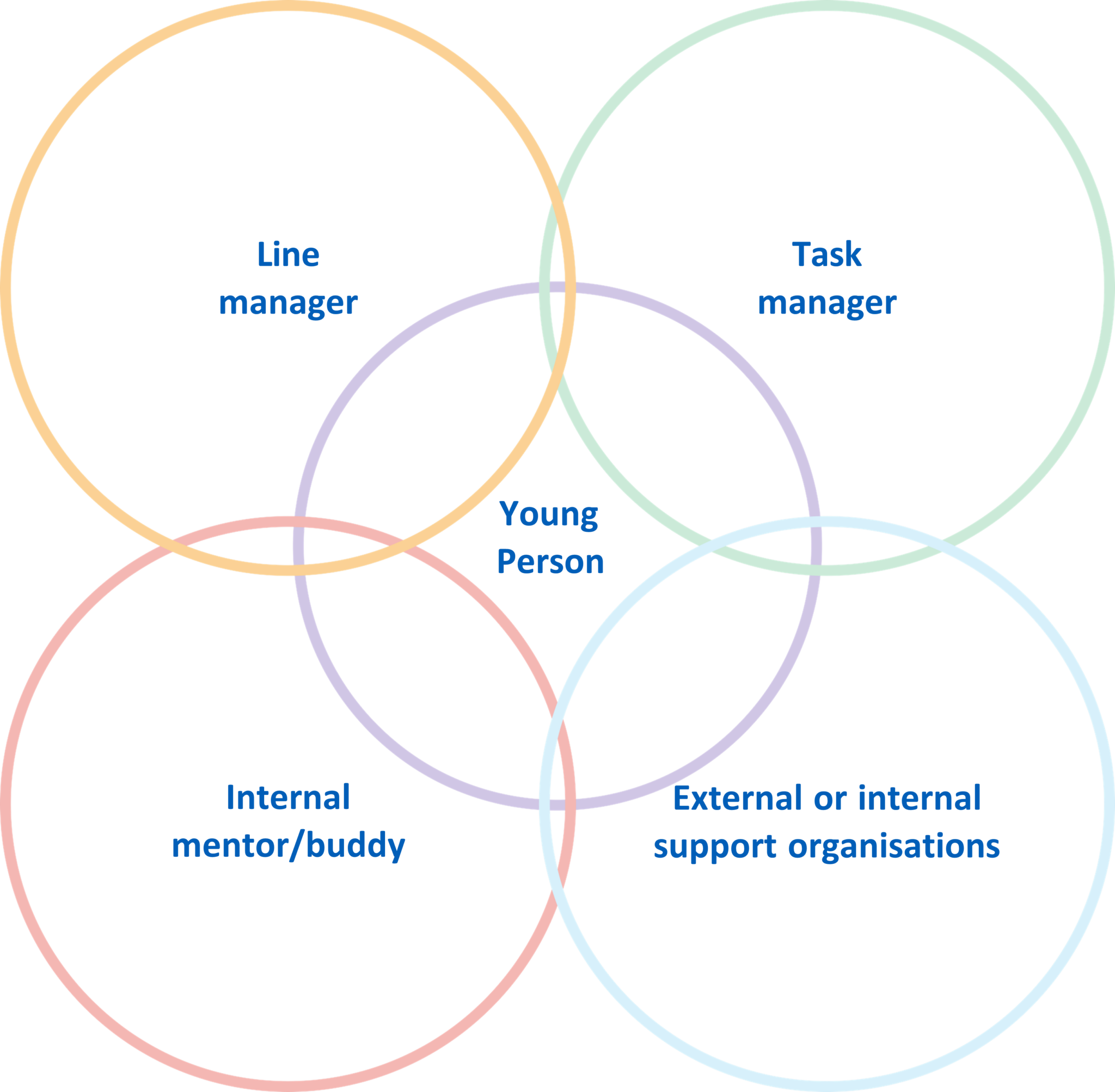
In NHS Birmingham and Solihull ICB, where James found his footing, they’ve developed a regular internal communication network with representatives who can deliver help and direction on wellbeing, HR matters, recruitment, and inclusivity efforts.
The conventional NHS recruitment process—rigid and potentially intimidating—has been carefully modified. Job advertisements now focus on character attributes rather than extensive qualifications. Application processes have been reimagined to accommodate the unique challenges care leavers might experience—from not having work-related contacts to facing barriers to internet access.
Maybe most importantly, the Programme recognizes that starting a job can pose particular problems for care leavers who may be managing independent living without the safety net of parental assistance. Issues like transportation costs, identification documents, and banking arrangements—taken for granted by many—can become substantial hurdles.
The brilliance of the Programme lies in its attention to detail—from clarifying salary details to offering travel loans until that crucial first wage disbursement. Even seemingly minor aspects like break times and office etiquette are deliberately addressed.
For James, whose career trajectory has “changed” his life, the Programme provided more than employment. It gave him a sense of belonging—that intangible quality that grows when someone feels valued not despite their history but because their particular journey enhances the organization.
“Working for the NHS isn’t just about doctors and nurses,” James observes, his eyes reflecting the modest fulfillment of someone who has discovered belonging. “It’s about a collective of different jobs and roles, a family of people who genuinely care.”
The NHS Universal Family Programme embodies more than an job scheme. It exists as a bold declaration that organizations can evolve to include those who have navigated different paths. In doing so, they not only transform individual lives but improve their services through the distinct viewpoints that care leavers bring to the table.
As James moves through the hospital, his involvement silently testifies that with the right assistance, care leavers can flourish in environments once thought inaccessible. The arm that the NHS has offered through this Programme signifies not charity but recognition of untapped potential and the essential fact that each individual warrants a community that believes in them.